
Artificial Intelligence (AI) didn’t just appear out of nowhere. It’s the result of decades of research, experimentation, and a whole lot of imagination. The early theories sparked the idea of thinking machines. Today, we see groundbreaking innovations in AI. AI has come a long way. In this post, we’re taking a journey through time. We will explore how AI evolved from a dream to the game-changing technology it is now.
The Early Theories (1940s-1950s)
Back in the day, people were already dreaming about machines that could think. Visionaries like Alan Turing started asking big questions like, “Can machines think?” This was the start of something huge. In the 1950s, Turing published a paper that would become the foundation of AI. He introduced the concept of the Turing Test. It was designed to see if a machine could exhibit intelligent behavior indistinguishable from a human.
Key Milestones:
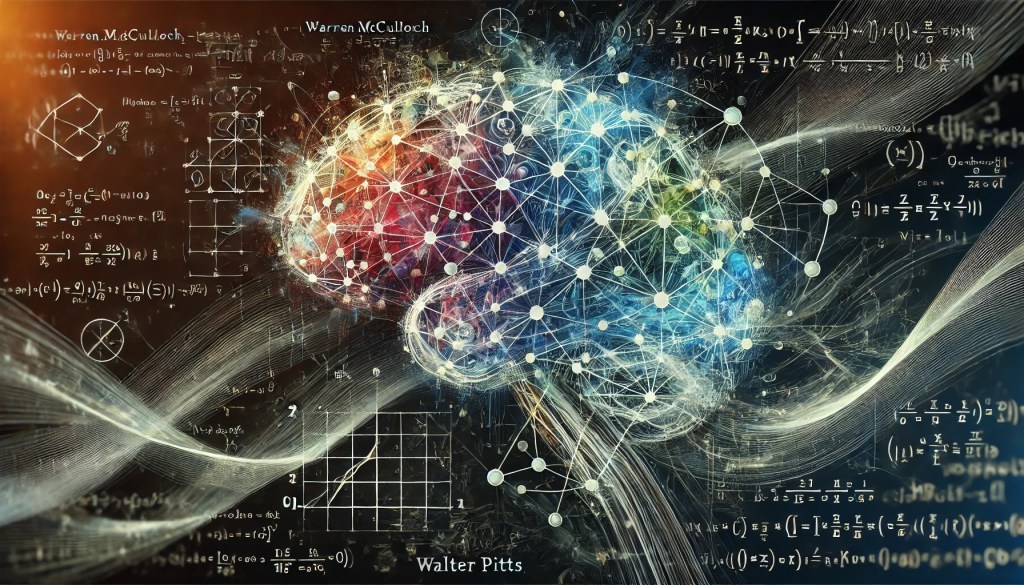
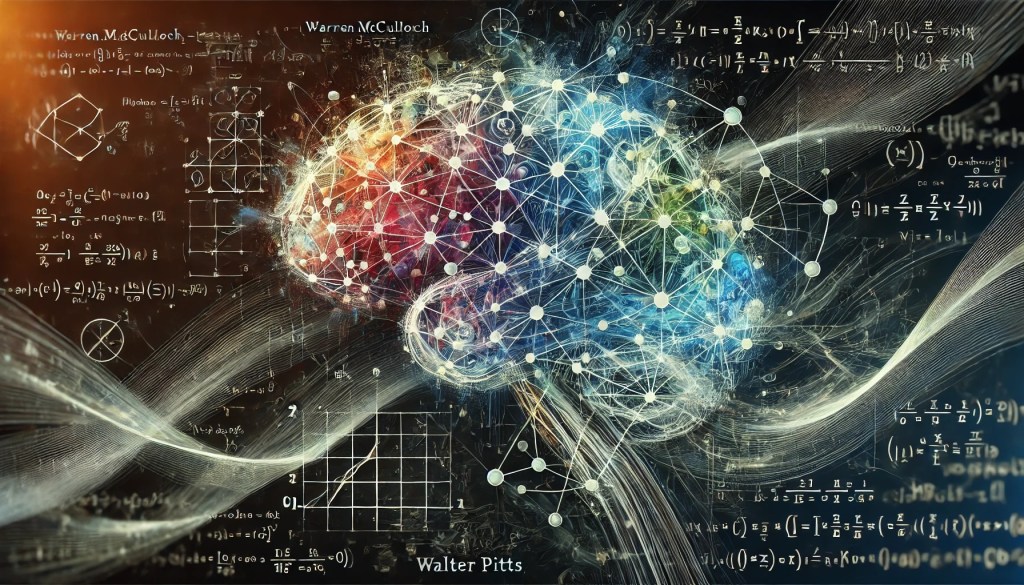
- 1943: Warren McCulloch and Walter Pitts created a mathematical model for neural networks, which laid the groundwork for understanding how machines could mimic human thought.
- 1950: Alan Turing published “Computing Machinery and Intelligence,” which introduced the idea of machines being able to perform any task that a human could do.
The Birth of AI (1956)
The real kickoff for AI happened in 1956 at the Dartmouth Conference. This event is often called the “birthplace of AI” because it was the first time researchers came together to really dig into the concept. The term “artificial intelligence” was coined here, and the goal was set: to create machines that could think and learn like humans.
Key Milestones:
- 1956: The Dartmouth Conference brings together the pioneers of AI, including John McCarthy, Marvin Minsky, and Herbert Simon.
- 1956-1970s: Early AI programs like the Logic Theorist and the General Problem Solver emerged, tackling complex problems through symbolic reasoning.
The AI Winters (1970s-1980s): A Time of Doubt and Disillusionment
Not everything was smooth sailing. The AI field faced some serious challenges in the 70s and 80s. People were excited about AI, but the technology wasn’t ready to meet the hype. Funding dried up, and progress slowed—this period is known as the “AI Winter.” But don’t get it twisted; these setbacks didn’t stop AI. Researchers kept pushing forward, setting the stage for the next big breakthroughs.
Key Challenges:
- Over-Optimism: Early predictions about AI’s potential led to unrealistic expectations, which couldn’t be met with the existing technology.
- Funding Cuts: Disillusionment with AI’s progress led to significant cuts in research funding, causing a slowdown in advancements.
The Explosive Resurgence and Ongoing Influence (1990s-Present)

AI made a serious comeback in the 90s, and it’s been on the rise ever since. Advances in computing power, the availability of big data, and new algorithms like machine learning and neural networks reignited interest in AI. Today, AI is everywhere—from your smartphone to self-driving cars. Here’s a closer look at how AI is making waves across diverse industries:
Healthcare:
- AI-Powered Diagnostics: Tools like IBM’s Watson Health are revolutionizing the way doctors diagnose and treat diseases. For example, AI algorithms can analyze medical images to detect conditions like cancer at an early stage, leading to more accurate diagnoses and better patient outcomes.
- Drug Discovery: AI is speeding up the drug discovery process, helping researchers identify potential treatments faster than ever before. Companies like Benevolent AI are using AI to sift through vast amounts of biomedical data to find new drug candidates.
Finance:
- Fraud Detection: AI is a key player in the finance industry, where it’s used to detect fraudulent transactions in real-time. By analyzing patterns and anomalies in transaction data, AI helps banks and financial institutions prevent fraud before it happens.
- Algorithmic Trading: AI-driven algorithms are also transforming stock trading by analyzing market data at lightning speed to make split-second trading decisions, maximizing profits and minimizing risks.
Retail:
- Personalized Shopping Experiences: Ever wonder how your favorite online store knows exactly what you want? AI is behind those personalized recommendations. By analyzing your browsing and purchase history, AI systems suggest products you’re likely to buy, enhancing the shopping experience.
- Inventory Management: Retailers are using AI to optimize inventory management. Predictive analytics help stores keep the right products in stock and reduce waste by forecasting demand more accurately.
Transportation:
- Self-Driving Cars: Companies like Tesla and Waymo are at the forefront of developing autonomous vehicles. AI enables these cars to navigate complex environments, avoid obstacles, and drive more safely than human drivers in many scenarios.
- Logistics and Supply Chain: AI is also streamlining logistics by optimizing routes, reducing fuel consumption, and improving delivery times. This technology is crucial for companies like Amazon, which rely on efficient supply chains to keep up with customer demand.
Recent Breakthroughs: AI’s Continuous Evolution
AI isn’t just evolving—it’s accelerating. Recent breakthroughs are pushing the boundaries of what’s possible:
- Natural Language Processing (NLP): AI models like GPT-3 have set new standards in NLP, enabling machines to understand and generate human-like text with astonishing accuracy. This has far-reaching implications for industries ranging from customer service to content creation.
- Reinforcement Learning: Google’s DeepMind made headlines when its AI program AlphaGo defeated the world champion in the game of Go, a feat previously thought impossible for machines. This success highlighted the potential of reinforcement learning, a technique where AI learns by trial and error.
- AI in Creativity: AI is now entering the creative fields, generating artwork, music, and even literature. Tools like DALL·E and Jukedeck are opening up new possibilities for AI-driven creativity, blurring the lines between human and machine-generated content.
The Future of AI: Where Are We Headed?
So, what’s next? AI isn’t just about making life easier—it’s about pushing the boundaries of what’s possible. We’re looking at a future where AI could revolutionize everything from healthcare to education. But with all this potential comes responsibility. As AI continues to evolve, we need to think about how to use this power wisely.
Key Questions:
- Ethics: How do we ensure AI is used for good?
- Regulation: What rules should guide the development and deployment of AI technologies?
- Innovation: What new possibilities could AI unlock in the next decade?
Conclusion:
AI has come a long way, and its journey is far from over. From the early days of theory to the cutting-edge innovations of today, AI has proven itself to be one of the most transformative technologies of our time. As we move forward, one thing is clear: AI will continue to shape our world in ways we can only begin to imagine.



 Luminous Legacies Ai
Leave a comment