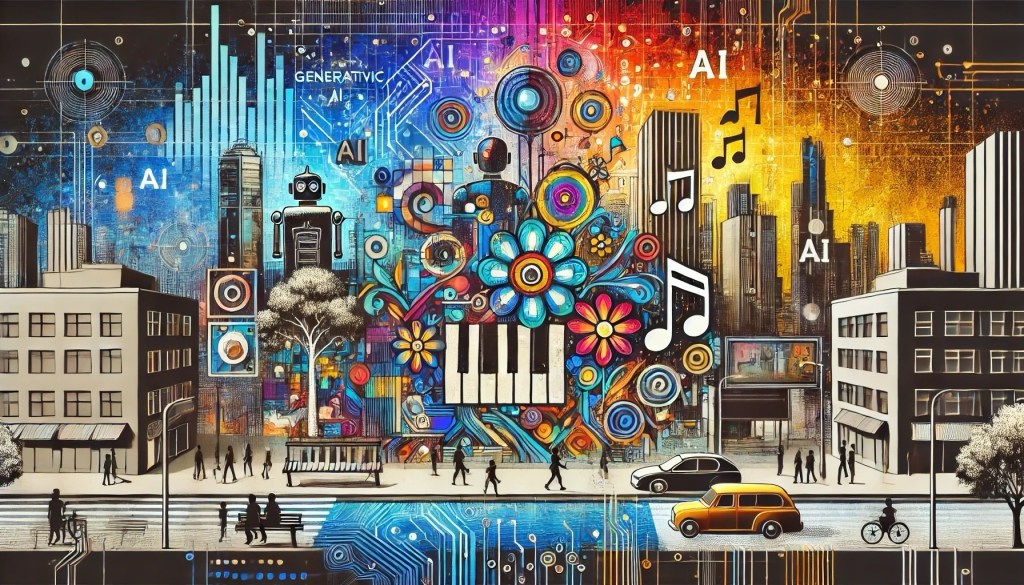
Artificial intelligence (AI) has become an integral part of our lives, influencing everything from our daily routines to the way we create and experience art. As AI technology continues to evolve, so too does its impact on the art world.
The latest trends in AI art reflect a fascinating intersection of creativity, technology, and ethics, offering new possibilities and challenges for artists and audiences alike. This article delves into the most recent developments in AI art, exploring how these innovations are reshaping the landscape of artistic expression.
The Evolution of AI in Art
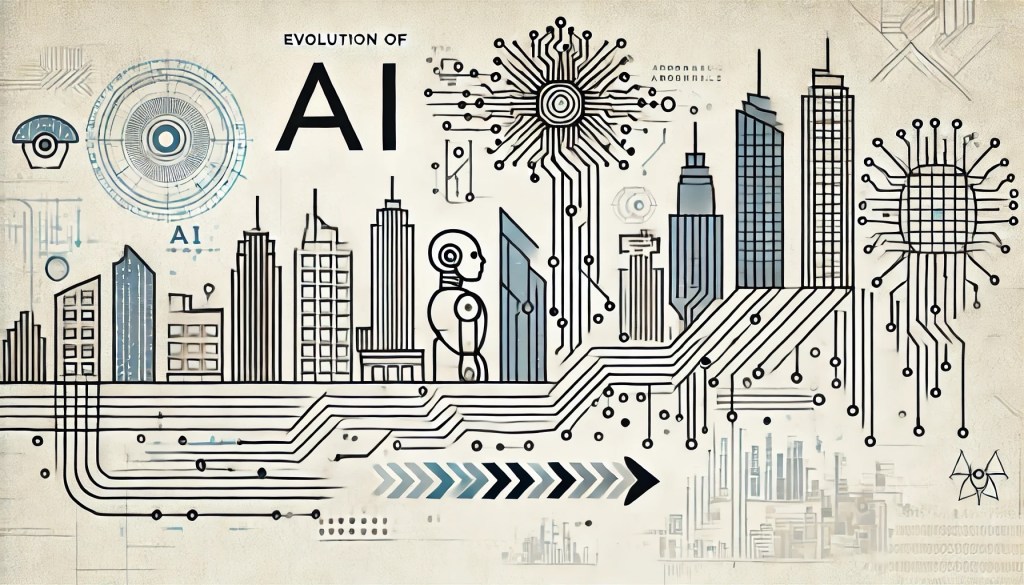
The journey of AI in art began with basic algorithms that could mimic certain artistic styles, but it has since evolved into something much more sophisticated.
Today, AI is not just a tool for replicating human creativity; it has become a creative force in its own right. The latest AI systems are capable of generating original artworks, music, and even poetry, pushing the boundaries of what we consider art.
Generative Adversarial Networks (GANs): The Backbone of AI Art
One of the most significant breakthroughs in AI art has been the development of Generative Adversarial Networks (GANs). GANs consist of two neural networks: one generates images, while the other evaluates them. This dynamic has enabled the creation of incredibly realistic and innovative art pieces that challenge traditional notions of creativity.
GANs have been particularly influential in the field of visual arts, where they have been used to generate everything from photorealistic portraits to abstract compositions. Artists are now collaborating with AI to create works that are not only visually stunning but also conceptually rich, blurring the lines between human and machine creativity.
AI Art and the Democratization of Creativity

One of the most exciting trends in AI art is the democratization of creativity. AI tools are becoming increasingly accessible, allowing more people to engage in the creative process. Platforms like DALL·E and MidJourney have made it possible for anyone, regardless of their artistic background, to create stunning visuals by simply inputting text prompts.
This trend is transforming the art world by lowering the barriers to entry and encouraging more diverse voices to participate in the creative process. As a result, we are seeing a broader range of artistic styles and perspectives, which is enriching the global art scene.
AI and Collaborative Art: A New Frontier
Collaboration between human artists and AI is another emerging trend that is gaining traction. Rather than viewing AI as a threat to traditional art, many artists are embracing it as a partner in the creative process. This collaboration can take many forms, from using AI to generate ideas and inspiration to incorporating AI-generated elements into human-created works.
Collaborative AI art is leading to the creation of hybrid pieces that combine the best of both worlds: the emotional depth and context provided by human artists, and the technical precision and innovation offered by AI. This synergy is producing works that are not only aesthetically pleasing but also intellectually stimulating, prompting viewers to consider the relationship between humans and machines.
Ethical Considerations in AI Art
As AI art becomes more prevalent, ethical questions are emerging about authorship, originality, and the potential for bias in AI-generated works. Who owns the rights to AI-created art? Is it the person who trained the algorithm, the person who provided the prompts, or the AI itself? These questions are at the forefront of discussions about the future of AI art.
Additionally, there is growing concern about the potential for AI to perpetuate existing biases in art. If AI models are trained on biased data, they may produce artworks that reflect those biases, potentially reinforcing harmful stereotypes. Addressing these ethical concerns is crucial as AI continues to play a larger role in the art world.
AI Art and the Future of Creativity
The rapid development of AI art technologies suggests that we are on the cusp of a new era in creativity. As AI systems become more advanced, they will likely continue to challenge our traditional understanding of art and creativity. However, this also opens up new possibilities for artistic expression and experimentation.
The future of AI art is likely to be characterized by increased collaboration between humans and machines, as well as a deeper exploration of the ethical implications of AI-generated art. As we navigate this brave new world, it will be important to consider how we can harness the power of AI to enhance, rather than diminish, human creativity.
Incorporating AI Art into Mainstream Culture
AI art is not only influencing the art world but is also beginning to make its way into mainstream culture. From fashion and design to advertising and entertainment, AI-generated art is being used in a variety of industries to create unique and innovative content. This trend is likely to continue as AI technology becomes more integrated into our daily lives.
For example, AI-generated art is being used in fashion to create unique patterns and designs that push the boundaries of traditional aesthetics. In advertising, AI is being used to create personalized content that resonates with individual consumers. As AI art becomes more mainstream, we can expect to see it influencing a wide range of creative industries.
AI Art in the Digital Age
The digital age has provided a fertile ground for the growth of AI art. With the advent of blockchain technology and NFTs (non-fungible tokens), AI-generated art has found a new platform for distribution and monetization. Artists are now able to tokenize their AI-generated works, allowing them to sell and trade them in digital marketplaces.
This development has opened up new opportunities for artists to reach global audiences and monetize their work in innovative ways. It has also sparked debates about the value of digital art and the role of AI in the creative process. As the digital landscape continues to evolve, so too will the ways in which we create, share, and value art.
The Role of AI in Art Education
AI is also making its mark on art education, offering new tools and resources for students and educators. AI-powered platforms can provide personalized learning experiences, helping students to develop their artistic skills and explore new creative techniques. These tools can also assist educators in identifying areas where students may need additional support or guidance.
Moreover, AI is being used to create interactive learning environments where students can experiment with different artistic styles and techniques in real-time. This hands-on approach is helping to make art education more engaging and accessible to a wider audience.
Challenges and Opportunities in AI Art
While the rise of AI art presents many exciting opportunities, it also poses significant challenges. One of the biggest challenges is ensuring that AI-generated art is used ethically and responsibly. This includes addressing issues related to authorship, bias, and the potential for AI to be used in ways that undermine human creativity.
At the same time, the integration of AI into the art world offers opportunities for innovation and experimentation. By embracing AI as a creative partner, artists can push the boundaries of what is possible and explore new frontiers in artistic expression. As we continue to navigate the complexities of AI art, it will be important to strike a balance between embracing its potential and addressing its challenges.
The Intersection of AI and Traditional Art
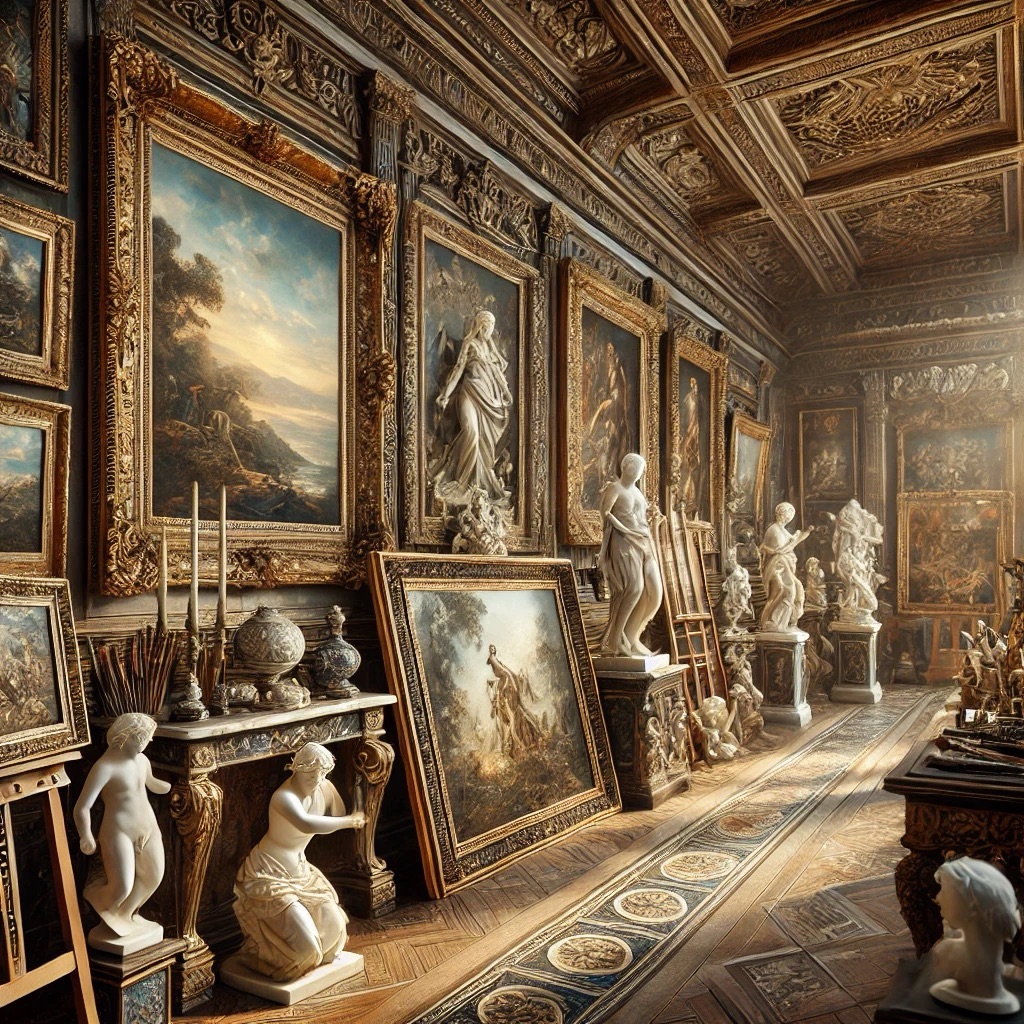
As AI art continues to gain traction, it is also influencing traditional art forms. Many contemporary artists are incorporating AI-generated elements into their work, creating a fusion of old and new that reflects the changing landscape of the art world. This intersection of AI and traditional art is leading to the creation of hybrid pieces that combine the best of both worlds.
For example, some painters are using AI to generate preliminary sketches or color palettes, which they then refine and complete by hand. This collaboration between human and machine is producing works that are both technically sophisticated and deeply personal, offering a new perspective on the relationship between technology and art.
AI Art in the Context of Global Art Movements
AI art is not only a technological phenomenon but also a reflection of broader global art movements. As artists around the world experiment with AI, they are contributing to a new wave of artistic innovation that is characterized by diversity, collaboration, and a willingness to challenge traditional boundaries.
This global perspective is enriching the field of AI art, as artists from different cultural backgrounds bring their unique perspectives and experiences to the table. As AI art continues to evolve, it is likely to play an increasingly important role in shaping the future of global art movements.
The Future of AI Art: Predictions and Speculations
Looking ahead, it is clear that AI will continue to play a significant role in the evolution of art. As AI systems become more sophisticated, they will likely continue to challenge our traditional notions of creativity and authorship. However, this also opens up new possibilities for artistic expression and experimentation.
Some experts predict that AI will eventually become an indispensable tool for artists, much like the camera or the computer. Others speculate that AI could even surpass human creativity in certain areas, leading to the creation of entirely new art forms that we have yet to imagine.
How AI is Changing the Role of the Artist
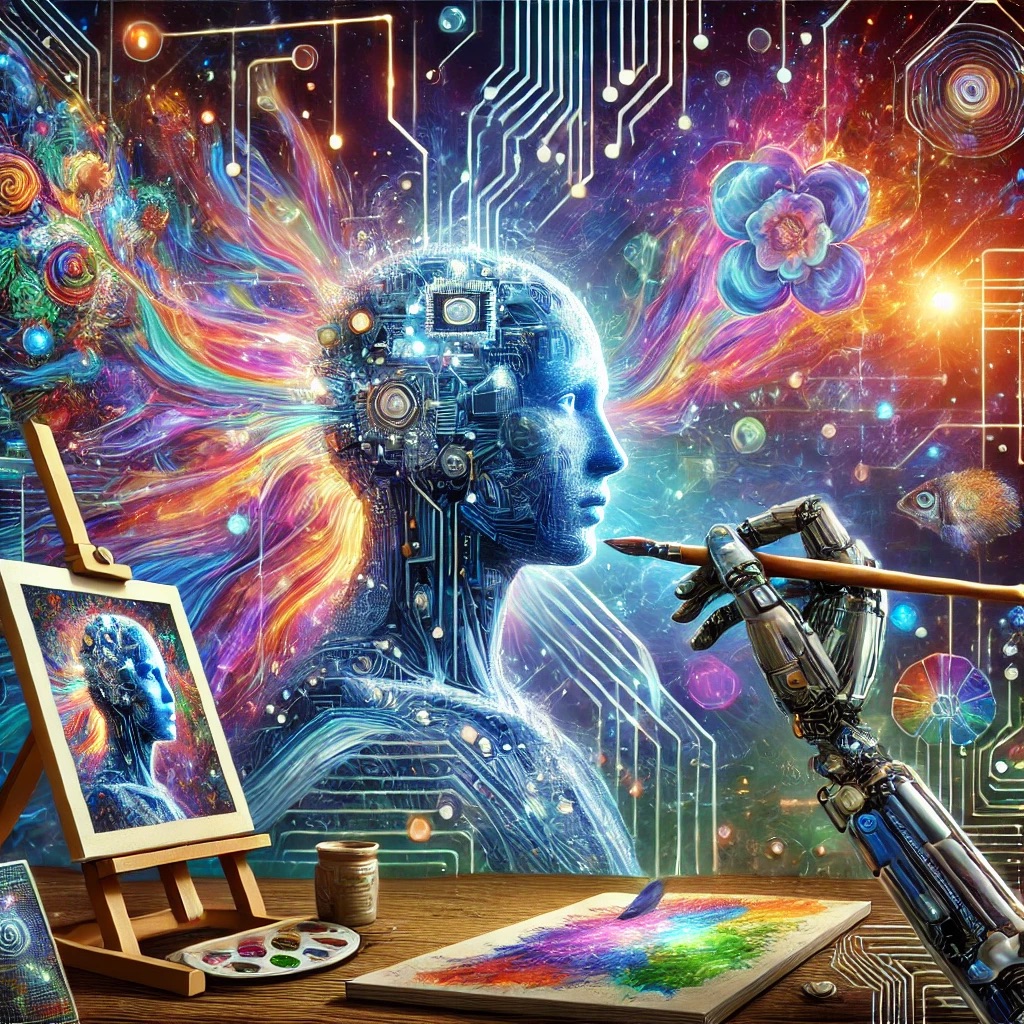
As AI takes on a more prominent role in the creative process, the role of the artist is also changing. Rather than being the sole creator, artists are increasingly becoming collaborators and curators, working alongside AI to shape and refine their work. This shift is prompting a reevaluation of what it means to be an artist in the digital age.
While some may view this as a threat to traditional art forms, others see it as an opportunity to expand the boundaries of creativity. By embracing AI, artists can explore new techniques, styles, and ideas that would be difficult or impossible to achieve on their own. This collaboration between human and machine is leading to the creation of art that is not only

 Luminous Legacies Ai
Leave a comment